The BBC has poured over £1 billion into its gold-plated pension scheme, eating up nearly £850 million of licence fee revenue. The Telegraph has the story.
The generous defined benefit scheme, which pays out £541 million a year in pensions, fell into deficit in 2010 and the broadcaster has injected up to £220 million a year in recovery payments in an attempt to steady its finances.
The corporation has also put more than £600 million into workers’ pension pots over the past five years after its employer contribution rate was pushed up to 42%, while staff added a maximum of 7.5%.
It comes as the national broadcaster’s finances face growing pressure. This summer, it admitted 300,000 more people had stopped paying the £174.50 annual licence fee.
The BBC pension scheme, one of Britain’s largest, is made up of four different defined benefit plans, all of which have been closed to new staff for more than a decade. It offers a range of benefits, from retiring at 60 with an uncapped final salary pension to an average earnings-based payment starting at age 65.
The broadcaster’s 28,000 retirees currently receive an average pension of £19,400 – more than the typical retired teacher, NHS worker or member of the armed forces.
Unlike defined contribution schemes, defined benefit schemes can fall into deficit when the value of liabilities – the promises made to current and future pensioners – exceeds its assets.
At its 2010 valuation, the scheme recorded a deficit of £1.1 billion. This led to an agreement requiring the BBC to pay in an extra £905 million between 2011 and 2021 to eliminate the shortfall.
However, official documents reveal it has spent £1.14 billion on deficit recovery payments, including £123 million that came after 2021.
Calculations show that £847 million came from licence fee revenue.
The BBC could also have to pay another £125 million towards the deficit by 2027, depending on the scheme’s health, which could cost licence payers around £86 million more. …
Since 2020 to 2021, the BBC has also stuffed £613 million into employees’ pensions as contribution rates surged to 42.3% in the continued battle to restore the scheme’s finances.
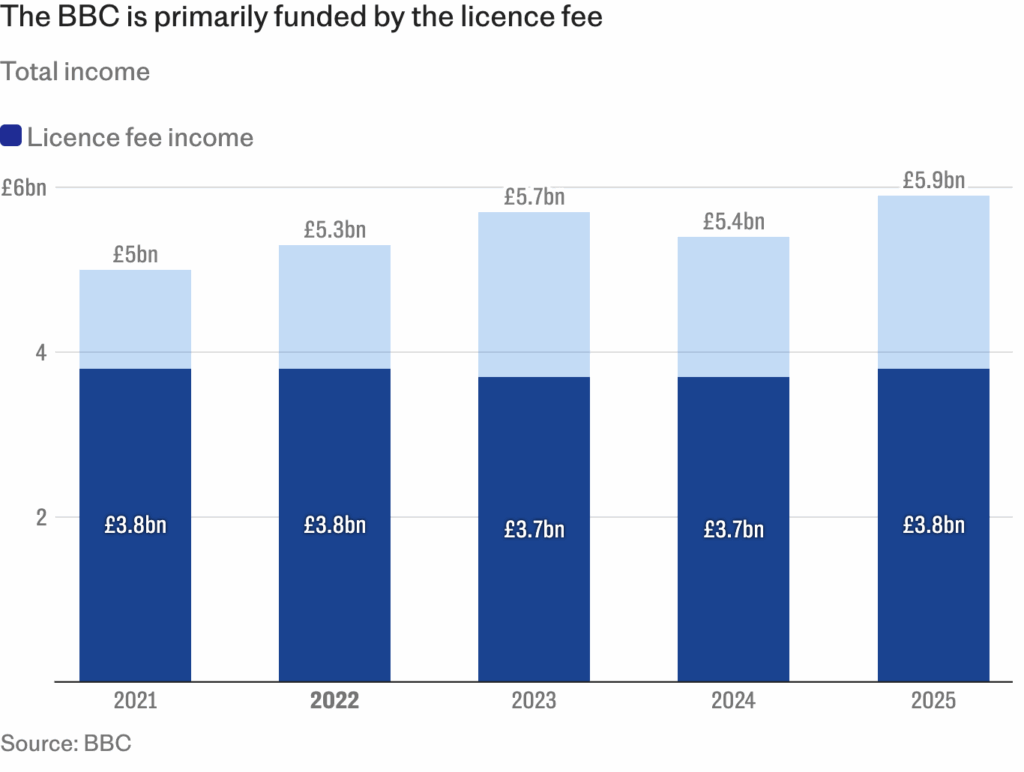
Licence fee payers have provided between 65% and 74% of the BBC’s revenue during that time. As a result, fresh analysis reveals that they have effectively paid £423 million in pension contributions to the defined benefit schemes in just five years. …
To join in with the discussion please make a donation to The Daily Sceptic.
Profanity and abuse will be removed and may lead to a permanent ban.
12 Comments
Oldest
NewestMost Voted
Inline Feedbacks
View all comments
JDee
6 months ago
So what, all schemes in deficit will be doing the same. The comparative point is are they investing wisely or wasting the money on gesture investment. At one point ESG might well have been worthwhile as the bubble was growing, but what with the increased cost of green energy affecting everything now, the wheels are really starting to come off all around.
As the lefts propaganda mouthpiece, defunding it may well result in it being paid for out of general taxation, which would be even worse. If people are dumb enough to pay it (I don’t) let them.
MajorMajor
6 months ago
Like the NHS, the education system, the police and generally everything state-run, the BBC needs more and more money to produce less and less.
Incidentally I think the good thing about the license fee is that you can opt out. The alternative would be to fund the BBC from general taxation, in which case you couldn’t opt out.
I am not even sure why this is considered a matter worthy of a press report. The same issue arises for all state sponsored pension schemes. The private sector has not offered such benefits for 20 years.
Indeed, though I think the point of interest is that the BBC, which would otherwise be a valuable asset that we could sell for a lot of money, is not worth much if anything unless the pension liabilities are taken on separately by the taxpayer. Selling it is tempting though I would rather see it closed down and the back catalogue sold off.
Yep, Broon and his fat mate Balls saw off the excellent private sector provision with his tax raid on fund dividend earnings that notably no alleged Conservative government did anything to reverse.
7941MHKB
6 months ago
It has been pointed out for years that one reason why the BBC is so keen on “Net Zero” and refuses to obey it’s Charter obligation to give any air time to Climate Realists, is that the BBC’s pension scheme is very heavily invested in Solar, Wind, Wave etc fantasy energy schemes.
Which, no doubt, has also a bearing on the state of the schemes finances.
DontPanic
6 months ago
42 percent employers contributions is a huge amount and shows how badly invested it must be, unless of course it is similar to the Teacher scheme on nearly 30 percent where there is no investment and all contributions go into government coffers. Contrast to the local government scheme which has far lower 15.5 percent employer contributions and is invested on the stock exchange and is nicely in profit, hence the government wants to plunder it. Yet the local government scheme is always attacked as being generous. It is not the generosity but the employer contributions that should be examined so start on Teacher and civil service pensions first.
Jackthegripper
6 months ago
The article doesn’t say in what funds the BBC pension is invested. I suspect poorly performing ESG investments could be part of the problem.
How about any and all Defined Benefit schemes that fall into deficit are forced to redefine/reduce their Benefits until the scheme is once again not in deficit.
This would ensure such schemes become more affordable.

To join in with the discussion please make a donation to The Daily Sceptic.
Profanity and abuse will be removed and may lead to a permanent ban.
So what, all schemes in deficit will be doing the same. The comparative point is are they investing wisely or wasting the money on gesture investment. At one point ESG might well have been worthwhile as the bubble was growing, but what with the increased cost of green energy affecting everything now, the wheels are really starting to come off all around.
Defund this globalist rag. End the Bolshevik Bullcrap Circus.
As the lefts propaganda mouthpiece, defunding it may well result in it being paid for out of general taxation, which would be even worse. If people are dumb enough to pay it (I don’t) let them.
Like the NHS, the education system, the police and generally everything state-run, the BBC needs more and more money to produce less and less.
Incidentally I think the good thing about the license fee is that you can opt out. The alternative would be to fund the BBC from general taxation, in which case you couldn’t opt out.
That is the fear – being forced to fund Far Left terrorist loving propaganda.
I am not even sure why this is considered a matter worthy of a press report. The same issue arises for all state sponsored pension schemes. The private sector has not offered such benefits for 20 years.
Indeed, though I think the point of interest is that the BBC, which would otherwise be a valuable asset that we could sell for a lot of money, is not worth much if anything unless the pension liabilities are taken on separately by the taxpayer. Selling it is tempting though I would rather see it closed down and the back catalogue sold off.
Yep, Broon and his fat mate Balls saw off the excellent private sector provision with his tax raid on fund dividend earnings that notably no alleged Conservative government did anything to reverse.
It has been pointed out for years that one reason why the BBC is so keen on “Net Zero” and refuses to obey it’s Charter obligation to give any air time to Climate Realists, is that the BBC’s pension scheme is very heavily invested in Solar, Wind, Wave etc fantasy energy schemes.
Which, no doubt, has also a bearing on the state of the schemes finances.
42 percent employers contributions is a huge amount and shows how badly invested it must be, unless of course it is similar to the Teacher scheme on nearly 30 percent where there is no investment and all contributions go into government coffers. Contrast to the local government scheme which has far lower 15.5 percent employer contributions and is invested on the stock exchange and is nicely in profit, hence the government wants to plunder it. Yet the local government scheme is always attacked as being generous. It is not the generosity but the employer contributions that should be examined so start on Teacher and civil service pensions first.
The article doesn’t say in what funds the BBC pension is invested. I suspect poorly performing ESG investments could be part of the problem.
How about any and all Defined Benefit schemes that fall into deficit are forced to redefine/reduce their Benefits until the scheme is once again not in deficit.
This would ensure such schemes become more affordable.